
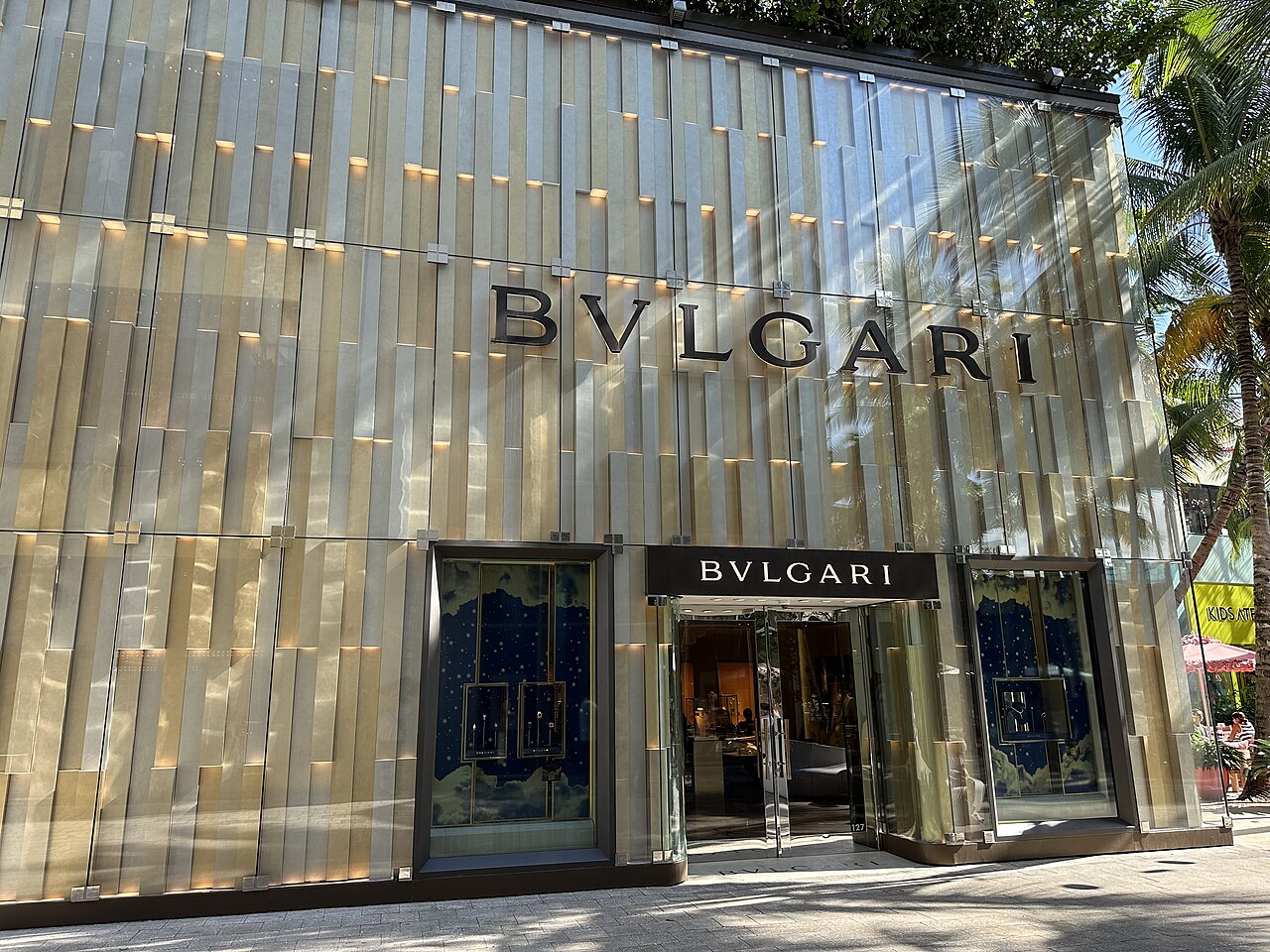
The Design District's Second Act: What Comes After the Luxury Boutiques
Miami's Design District, once defined by its ultra-luxury retail flagships, is entering a new phase of evolution. Operators and investors are recalibrating strategies as market dynamics demand a diversified tenant mix beyond pure brand showcases.
The Miami Design District, an undeniable success story of targeted urban redevelopment, has effectively delivered on its initial promise: a curated global destination for ultra-luxury retail. However, as the market matures and global retail shifts accelerate, the question for asset managers and long-term investors shifts from 'how high can rents go?' to 'what comes next for this highly specialized ecosystem?' We are witnessing the beginning of the district’s second act, one that will demand strategic diversification beyond its current luxury boutique monoculture.
The Peak Luxury Thesis: A Victim of Its Own Success?
For over a decade, the Design District’s playbook was clear: attract the world’s most prestigious luxury brands – Hermès, Louis Vuitton, Rolex – with prime ground-floor retail commanding peak rents, often north of $300 per square foot for flagship spaces. This strategy, backed by significant capital investment, solidified Miami’s position on the global luxury map, drawing high-net-worth individuals and significant Latin American capital. The result was a district with effectively zero vacancy for its most coveted retail pads, compressing cap rates for stabilized assets and driving speculative development in adjacent parcels.
However, the underlying thesis of ever-expanding demand for purely experiential luxury showrooms, particularly for brands with robust e-commerce channels, is facing scrutiny. While the district’s prestige remains high, the pace of new luxury flagship entry has slowed. Some operators are now grappling with lease renewals and a market that, while still strong, is no longer experiencing the exponential rent growth seen during its initial build-out. The infrastructure is world-class, but the operational model may require adaptation.
Beyond the Bag: Diversifying the Tenant Mix
The imperative now is to broaden the district's appeal without diluting its brand. This means carefully considering tenants that complement, rather than simply replicate, the existing luxury retail. High-end culinary experiences are an obvious and already present component. Michelin-starred restaurants and exclusive members' clubs already contribute significantly to foot traffic and dwell time, driving evening and weekend activity.
The next frontier involves specialized services and curated creative offices. Imagine bespoke financial advisory firms, high-end art consultancies, or even architecture and design studios seeking a prestigious, inspiring address that aligns with their clientele. These tenants, while not generating the same sales-per-square-foot as a luxury retailer, offer stable, long-term leases and contribute to a more diverse, resilient daytime economy. The Design District could learn from Wynwood’s evolution, albeit at a different price point, by integrating a highly curated class-A office component into its existing framework, offering a live-work-play environment for a specific demographic.
The Real Estate Equation: Valuations and Adaptations
For landlords and institutional investors, this shift presents both challenges and opportunities. Repositioning space that was once exclusively envisioned for a luxury flagship to accommodate a high-end service provider or boutique office requires a nuanced approach to tenant improvements and lease structuring. Percentage rent clauses, once a hallmark of luxury retail leases, may give way to more traditional gross leases, but at rental rates that still reflect the district's premium status.
Valuations will increasingly factor in the stability and diversity of the income stream, rather than solely relying on the prestige of brand tenancy. This could lead to a re-evaluation of how cap rates are applied across different asset classes within the district. Successful operators will be those who proactively curate their tenant mix, understanding that the Design District's enduring value lies not just in its individual boutiques, but in the holistic, synergistic experience it offers. The market is shifting from an emphasis on transactional retail to a more integrated, lifestyle-oriented destination.
The Design District is not facing an existential crisis; rather, it is entering a natural phase of maturation that demands strategic foresight. Its future success hinges on a deliberate evolution of its tenant strategy, transforming from a mere collection of luxury storefronts into a dynamic, multi-faceted urban center that can sustain its premium positioning for decades to come.
