
Latin American Capital: Dissecting Its Enduring Influence on Miami Real Estate
Latin American investment in Miami real estate has evolved beyond simple wealth preservation. Today, it represents sophisticated, yield-driven strategies impacting every asset class, from Doral's industrial hubs to Wynwood's creative office spaces.
To discuss Miami's real estate trajectory without a deep dive into Latin American capital flows is to miss the bedrock upon which much of its modern skyline and economic engine is built. While often generalized, the patterns of Latin American investment in South Florida have evolved significantly over the past two decades, moving beyond mere wealth preservation to sophisticated, yield-driven strategies that impact every asset class.
The Evolution of Capital: From Safe Haven to Strategic Play
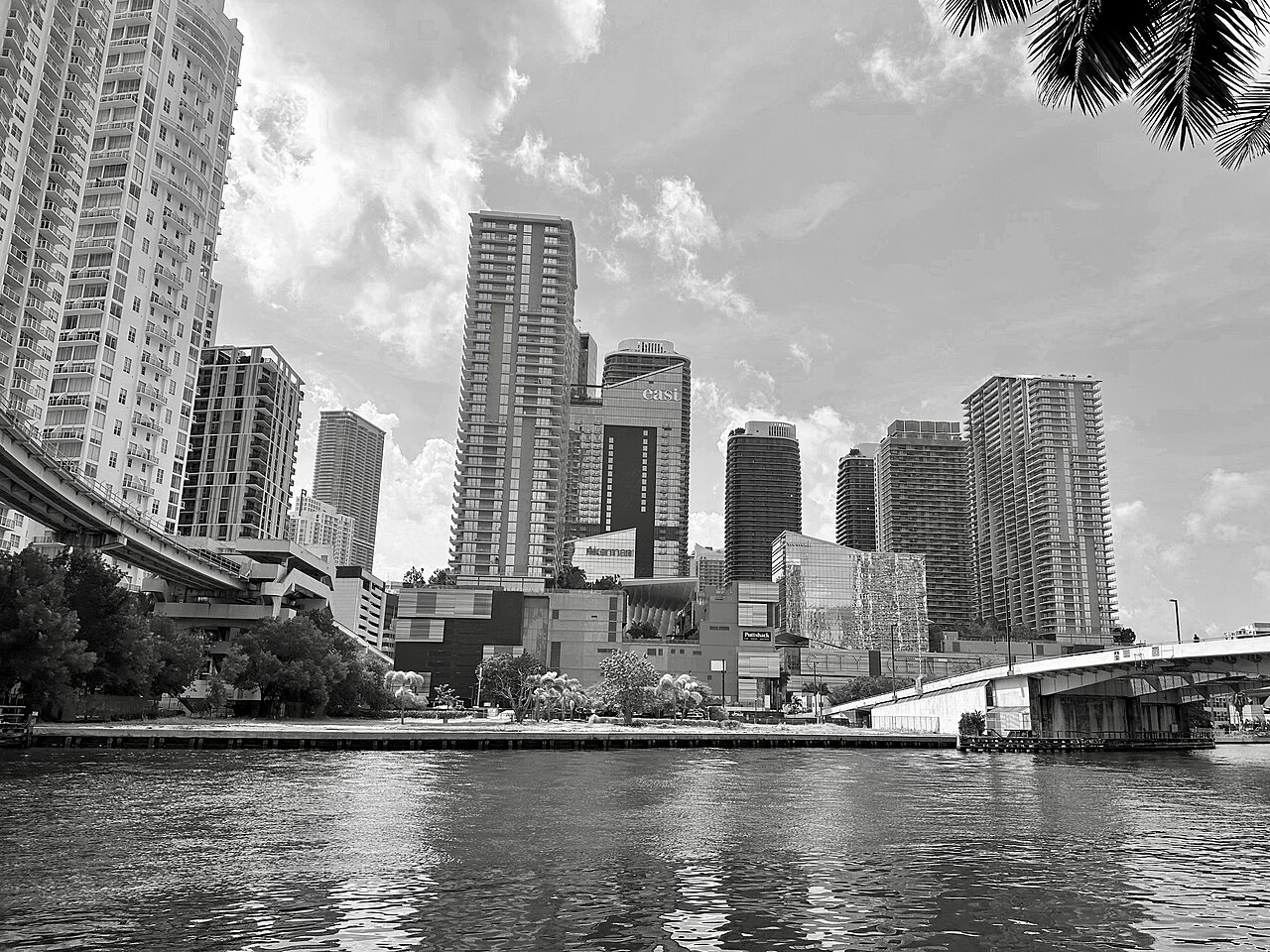
The initial wave of Latin American capital, particularly from countries experiencing political instability or hyperinflation, often sought Miami as a safe haven. This era, dominant through the early 2000s, saw significant investment in luxury residential condominiums in Brickell, South Beach, and later, Edgewater. Funds primarily sought dollar-denominated assets and perceived political stability. However, the current landscape is far more nuanced. Today, we observe institutional-grade capital, family offices with established real estate arms, and even publicly traded companies from nations like Brazil, Mexico, and Colombia actively pursuing diversified portfolios.
This shift reflects a maturation of both the investors and the Miami market itself. Where once a premium was paid for simple security, today's Latin American capital is acutely focused on cash flow, appreciation potential, and strategic alignment with their broader business interests. This has led to a noticeable diversification away from solely residential toward high-performing commercial assets.
Beyond Condos: Commercial Real Estate Takes Center Stage
The appetite for commercial real estate among Latin American investors is robust and increasingly sophisticated. Industrial assets, particularly around Port Miami and in logistics hubs like Doral and Medley, have seen significant capital inflows. Yield compression in Class A industrial assets in Doral, for example, has seen cap rates dip below 4.5% for core product, a direct result of insatiable demand, much of it from foreign capital recognizing Miami's gateway status for trade. These investors aren't just buying; they're actively developing, seeing Miami as an extension of their supply chains and distribution networks.
Similarly, the office market, once dominated by domestic institutional players, is seeing strong interest. Wynwood's creative office spaces, commanding asking rents often north of $70 per square foot, attract developers backed by Latin American funds looking for growth stories. Brickell's Class A towers continue to draw substantial investment, as do mixed-use retail and hospitality projects in Midtown and the Design District, where the blend of luxury retail and experience-driven F&B appeals to a specific demographic that these investors understand intimately.
The restaurant and hospitality sector, often overlooked for its complex capital stacks, also benefits. Private equity groups from Bogotá and São Paulo are backing innovative F&B concepts, leveraging their understanding of high-end consumer trends and operational expertise honed in their home markets.
Key Players and Market Implications
The players range from long-standing Argentine HNW families deploying multi-generational wealth into trophy assets, to dynamic Brazilian private equity firms targeting opportunistic value-add plays, and Colombian business groups expanding their footprint in logistics. Their motivations are varied: currency hedging, geographical diversification, access to U.S. capital markets, and a strategic base for regional expansion. What unites them is a long-term bullish outlook on Miami's role as the hemisphere's economic fulcrum.
This sustained demand has profound implications for Miami's real estate market. It contributes to persistent pricing pressure across all asset classes, challenging local affordability and intensifying competition for prime sites. However, it also injects substantial liquidity, fuels development, and underpins the city's ambition to become a truly global financial and trade center. Miami's unique position as a cultural and economic bridge ensures that this capital will remain a defining characteristic of its real estate market for the foreseeable future, requiring all market participants to understand its evolving patterns and motivations.
