The story of corporate relocations to Miami has largely been told through a megaphone, amplified by high-profile announcements and a seemingly endless stream of social media buzz. While the narrative of a mass exodus of financial and tech firms from traditional hubs to South Florida is not entirely fabricated, the granular data paints a far more sophisticated picture than the headlines suggest. For operators, investors, and business owners in this market, understanding the specifics beyond the hype is crucial for making informed decisions.
The Migration's Anatomy: Who, What, and Where?
Undeniably, Miami has seen significant corporate interest since 2020. The bulk of this activity has centered on the financial services sector, particularly hedge funds, private equity firms, and venture capital operations, alongside a smaller but notable contingent of tech companies. Firms like Citadel and Blackstone have made high-profile commitments, often establishing significant regional hubs or co-headquarters, rather than relocating their entire global operations. These are not insignificant moves, but they represent strategic expansions and new regional centers of gravity, distinct from the wholesale relocation of a Fortune 500 company's entire workforce and infrastructure.
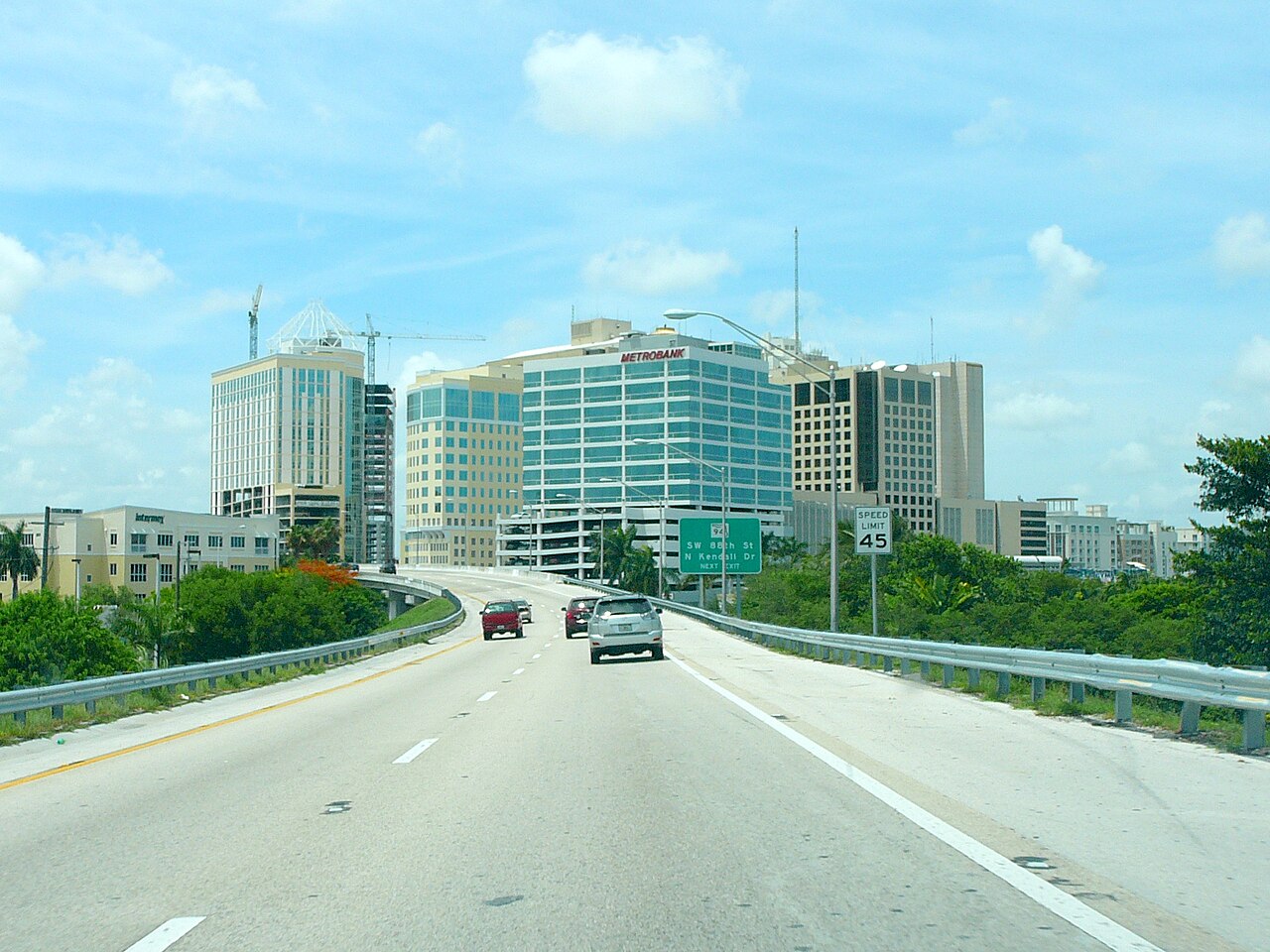
Geographically, these relocations have overwhelmingly favored Class A and Class A+ office space in highly amenitized submarkets. Brickell remains the primary beneficiary, with its established infrastructure, walkability, and existing financial ecosystem. Wynwood, with its creative office spaces and vibrant cultural scene, has also captured a segment of the market, particularly smaller tech and design-focused firms. Midtown and Edgewater have seen some spillover, driven by new vertical construction and proximity to residential options. This concentration means that while demand for prime product is robust, the broader market metrics across Miami-Dade can tell a different story.
Unpacking the Office Market Metrics
When we look at the raw data, the picture sharpens. While overall vacancy rates across Miami-Dade certainly tightened following the initial surge of relocations, they have not universally plummeted to single digits, especially when considering Class B and C assets, or less central submarkets like Doral or Coral Gables (which often cater to different corporate profiles). Brickell's Class A vacancy, for instance, saw significant compression, driving asking rents from pre-pandemic averages of $70-$80 per square foot (full-service gross) to well over $100-$120 per square foot in new or renovated towers today. Wynwood’s creative office spaces have followed a similar trajectory, with top-tier product commanding $70-$90 per square foot, a significant premium over historical averages.
However, net absorption, while positive, has often been driven by a flurry of smaller to mid-sized leases (5,000 to 20,000 square feet) rather than numerous 100,000+ square-foot commitments. These smaller footprints often signify agile firms establishing satellite offices or new regional outposts. Furthermore, new supply coming online in Brickell, particularly with projects like One Brickell Centre and the ongoing development pipeline, introduces new inventory that will test the market's continued absorption capacity, potentially stabilizing or even slightly increasing overall vacancy rates in the immediate term, even if demand remains strong for prime product.
Sustaining Momentum: Headwinds and Opportunities
While the allure of Miami's business climate, favorable tax structure, and quality of life remains potent, the path to broader corporate transformation faces tangible headwinds. The availability of a deep, specialized talent pool, particularly at mid-to-senior levels outside of finance, remains a challenge compared to established corporate hubs. Firms relocating to Miami often find themselves needing to either bring key personnel or invest heavily in local recruitment and training. This ties directly into affordability: Miami's residential market has exploded, making employee retention and attraction increasingly difficult for businesses whose payrolls are not aligned with top-tier financial sector compensation. Average residential rents and home prices continue to outpace wage growth, creating a structural issue for long-term talent acquisition.
Infrastructure, including traffic congestion and public transit options, also presents ongoing operational challenges for businesses accustomed to more developed urban networks. Climate risk, while often discussed in long-term investment horizons, is increasingly factoring into corporate diligence, influencing insurance costs and long-term planning for physical assets.
Ultimately, the corporate relocation narrative in Miami is not one of wholesale migration, but rather a targeted, sector-specific expansion. The city is attracting significant capital and a specific type of business, primarily within finance and specialized tech, leading to a profound impact on Class A office markets. For investors, this means a continued focus on prime assets in key submarkets, understanding the specific tenant profiles driving demand, and realistically assessing the broader market's ability to support sustained, diversified corporate growth against rising operational costs and infrastructural pressures. The data indicates an evolution, not a revolution, and smart money is betting on precision over broad-stroke assumptions.