The Miami Design District, now firmly entrenched as a global luxury retail and cultural destination, faces an increasingly common question for maturing high-end markets: what comes after the initial build-out of marquee brands? While the district, largely developed through the vision of Craig Robins, successfully attracted virtually every major luxury house from Louis Vuitton to Hermès, the long-term sustainability demands a more nuanced approach than simply adding another flagship store.
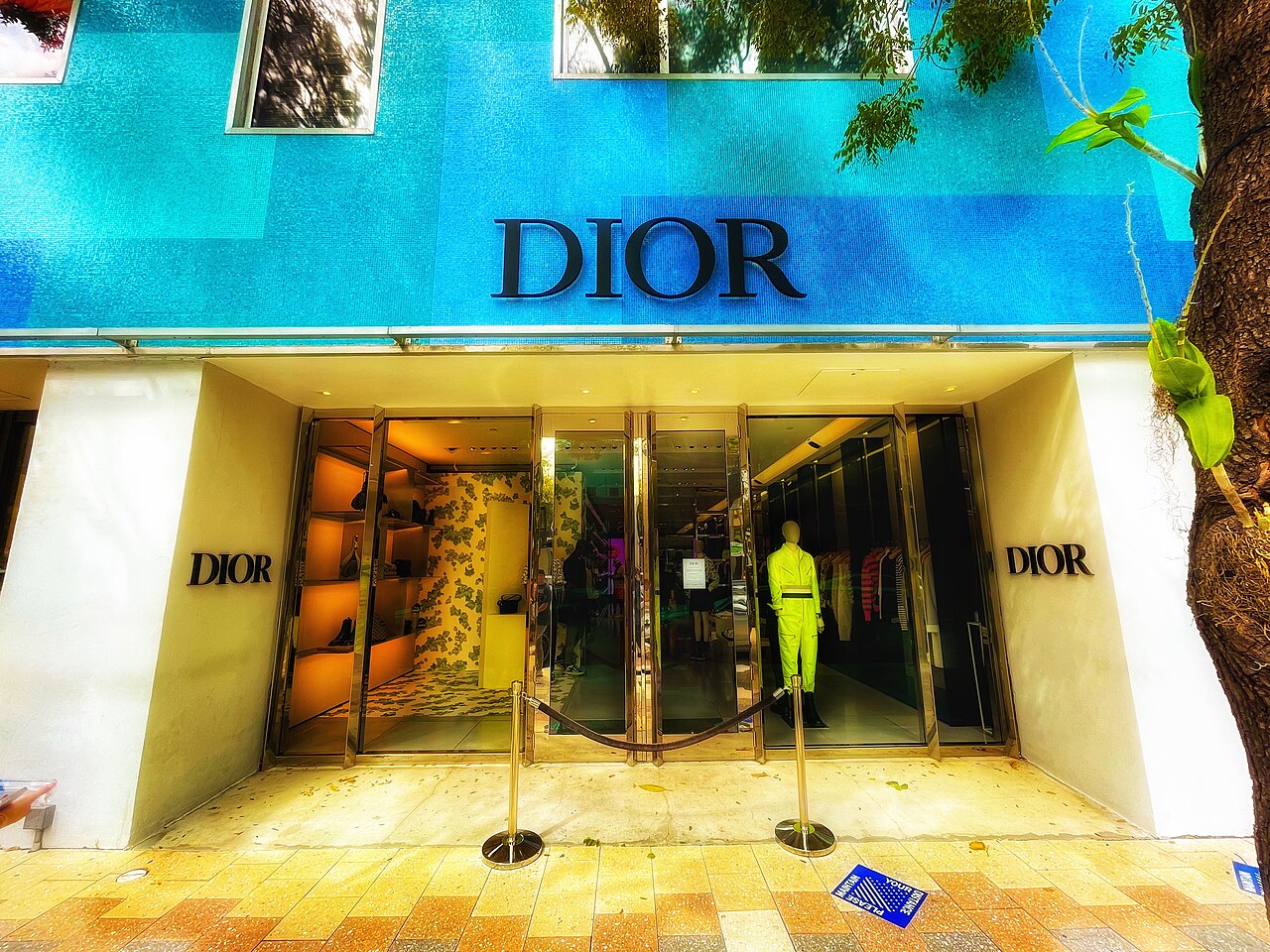
Initial ground-floor retail rents in prime Design District locations soared into the $250-$400 per square foot NNN range, reflecting the extraordinary investment in infrastructure, public art, and curated tenant mix. These figures were justifiable for brands betting on Miami's burgeoning high-net-worth population and its consistent draw for Latin American capital. However, as the market matures and consumer habits shift towards experiential retail and digital convenience, a pure play on transactional luxury boutiques faces inherent limitations. Upper-floor retail, in particular, has seen higher vacancy rates and struggles to command the same premium, signaling an inventory mismatch for traditional tenants.
The First Act: A Masterclass in Placemaking
The Design District's initial success was undeniable, transforming a once-overlooked industrial pocket into a vibrant, pedestrian-friendly canvas for high fashion, art, and design. Developers meticulously crafted an environment where the retail experience was as much about aspiration and aesthetics as it was about acquisition. This strategy successfully drew in a dedicated clientele, bolstered by waves of wealth migration into South Florida and the strong US dollar against many Latin American currencies, making luxury goods here particularly attractive. The district became a physical manifestation of Miami's 'Magic City' narrative, attracting significant capital from both institutional investors and private ultra-high-net-worth individuals seeking trophy assets and stable yield in a growing market.
However, this very success has cultivated a market with specific vulnerabilities. The concentration of high-end luxury, while driving foot traffic for destination shoppers, doesn't always translate to broad, everyday engagement. Without a diverse enough tenant mix, the district risks becoming a weekend or tourist-only destination, rather than an integrated part of Miami's daily commercial fabric. The retail landscape is also subject to the whims of global economic cycles and changing brand strategies, which could impact lease renewals and tenant attraction down the line. The current high barriers to entry for new retail concepts, driven by the elevated rents, further constrains diversification within the traditional retail model.
Beyond the Boutique: Diversification Imperatives
For the Design District's second act to be equally compelling, it must strategically diversify its offerings. This isn't about abandoning luxury, but expanding the value proposition. Opportunities lie in several key areas:
- Experiential Retail & Lifestyle Concepts: Brands are increasingly focused on immersive experiences over transactional sales floors. Future tenants might include concept stores, brand pop-ups with event programming, or high-touch service providers that complement the luxury aesthetic without directly competing on product.
- High-End Food & Beverage: While the district already boasts acclaimed restaurants, a strategic expansion of diverse F&B options, including more accessible, high-quality cafes and quick-service establishments, could significantly increase daily foot traffic and extend dwell times. These operators, often on different cap rate models, can absorb space that traditional luxury retail cannot.
- Creative Office & Showrooms: Leveraging its design pedigree, the district could attract high-end creative agencies, architecture firms, private art dealers, and fashion industry showrooms seeking a prestigious, aesthetically aligned address. This would inject a consistent daytime workforce into the district, supporting F&B and other services.
- Boutique Hospitality: While land is scarce and expensive, select boutique hotel developments, particularly those integrated with existing luxury brands or cultural institutions, could further anchor the district as a multi-day destination.
Capital Flows and Market Adaptation
Latin American capital, which has been a linchpin of Miami's luxury market, will continue to play a crucial role in the Design District's evolution. However, the nature of this investment may shift. While direct retail ownership remains attractive, we anticipate increased interest in mixed-use developments that blend high-end residential, hospitality, and diversified commercial components within or adjacent to the district. Investors are increasingly seeking assets that offer resilience through multiple income streams.
Developers and property owners must proactively adapt lease structures, perhaps introducing more flexible terms or creative partnerships that enable experiential and service-oriented tenants to thrive. This requires a sophisticated understanding of different business models beyond pure retail. The emphasis must shift from simply filling space to curating a holistic ecosystem that maintains the district’s prestige while broadening its appeal and utility.
Conclusion
The Miami Design District's journey is far from over. Its first act cemented its status; its second act will define its enduring legacy and resilience. This requires a strategic, data-driven approach to diversification, moving beyond a sole reliance on luxury boutiques to embrace a more varied, experience-rich, and community-integrated ecosystem. For investors and operators, the opportunity lies in identifying and funding the innovative concepts that will power this essential evolution, ensuring the district remains a vibrant and economically robust cornerstone of Miami's urban fabric for decades to come.