
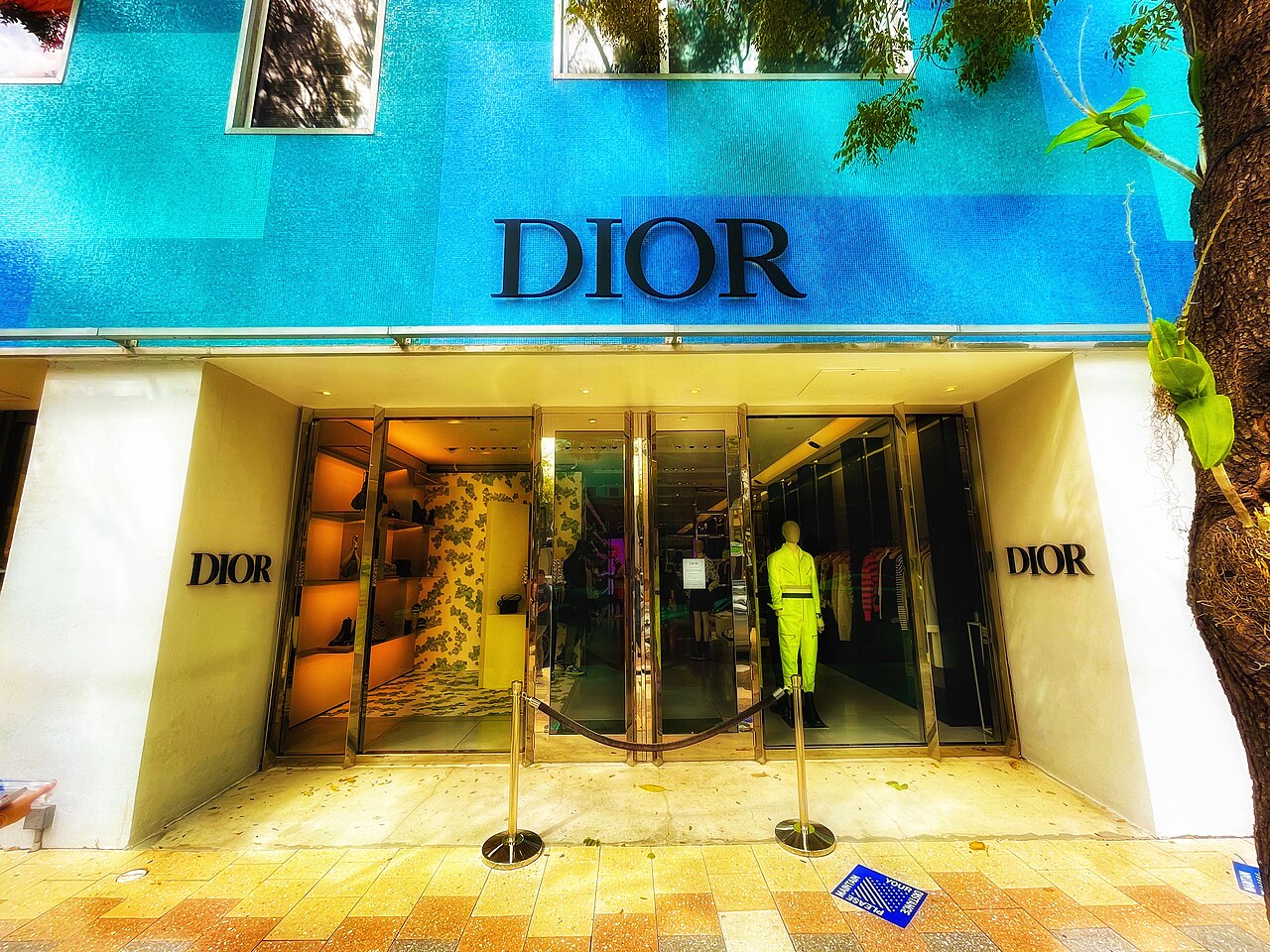
The Miami Design District's initial growth phase, characterized by aggressive luxury retail leasing and soaring ground-floor rents, has demonstrably matured. While the district's transformation from a dilapidated warehouse zone to a global luxury destination under Dacra and LVMH's strategic vision has been undeniably successful, the market is now signaling a pivot. Pure luxury retail, facing evolving consumer behaviors and escalating operational costs, is proving insufficient to sustain the district’s ambitious long-term valuation trajectory alone. The question for sophisticated operators and investors is no longer if, but how, the district will diversify.
Beyond the Storefront: The Imperative for Experiential & Curated Engagement
The core challenge for any district built on high-street retail is sustainability in an era where consumers, particularly the affluent, prioritize experiences over mere transactions. Luxury brands, many of which now command prime ground-floor spaces at effective rents north of $200 per square foot, are increasingly sophisticated about their ROI. Foot traffic, while visually impressive, doesn't always translate into sales volume commensurate with these overheads, especially for brands lacking robust localized UHNW clienteling or significant transient tourist traffic. Consequently, we're seeing a push for more immersive brand activations, pop-ups designed for engagement rather than inventory movement, and an expansion of high-concept food and beverage (F&B) offerings.
Consider the success of venues like Contessa or Swan, which act as magnets, drawing visitors who then linger and explore the retail. This isn't just about dining; it's about providing a reason to stay, socialize, and experience the district's curated aesthetic beyond a quick browse-and-buy mission. The next wave of tenants will likely include more bespoke hospitality concepts, perhaps boutique hotels seamlessly integrated into mixed-use structures, and expanded high-end wellness or aesthetic service providers that align with the luxury demographic's lifestyle.
The Ascent of Creative Office and Showroom Space
The natural evolution for a design-centric district is a deeper integration of creative industries. While Wynwood has cornered the market for larger, more industrial-chic creative office space, the Design District is poised to capture a more refined segment: high-end architectural firms, bespoke interior designers, luxury brand regional headquarters, art consultancies, and specialized creative agencies. These tenants seek a prestigious address, adjacency to their client base, and an environment that reflects their brand identity—something the Design District offers uniquely.
We're already observing this shift in upper-floor leases. While ground-floor retail commands a premium, Class A office/showroom space in the Design District can fetch rates from $75-$100+ per square foot NNN, often with smaller footprints tailored to creative teams. This provides a crucial diversification of revenue streams for landlords and adds a permanent daytime population that benefits F&B and service providers. Dacra's own expansion of office space within its holdings signals this strategic direction, leveraging existing infrastructure to create a synergistic live-work-play environment for the luxury sector.
Navigating Capital Flows and Future Resilience
Latin American capital, long a significant driver of South Florida's real estate market, remains keen on the Design District, but its focus is broadening. While trophy retail assets are still prized, savvy investors are increasingly analyzing the potential for vertical mixed-use development—incorporating residential, hospitality, and creative office components alongside ground-floor retail. This multi-layered approach hedges against market volatility and aligns with urban development trends seen in other global luxury enclaves.
However, no assessment of Miami's future is complete without acknowledging its inherent challenges. The district, like much of Miami, grapples with infrastructure strains—traffic congestion and parking limitations are persistent pain points that impact visitor experience and operational logistics. Affordability, while seemingly removed from the luxury market, still affects the service workforce vital to the district's functioning. And critically, climate risk remains a long-term consideration for any significant capital deployment, necessitating resilient design and infrastructure investments.
The Design District's second act is not a departure from luxury, but a sophisticated expansion of its definition. It involves layering complementary uses—experiential retail, refined F&B, boutique hospitality, and high-end creative office—onto its established foundation. For investors and operators, the focus must shift from purely transactional retail metrics to a holistic understanding of ecosystem value, ensuring a more dynamic, resilient, and ultimately, more valuable district for decades to come.