While Brickell's advertised multifamily rents often suggest an untouchable premium, the reality for tenants signing leases today involves a sophisticated interplay of concessions and market pressures that significantly adjust the true cost of occupancy. For sophisticated operators, investors, and even the high-net-worth tenant, fixating solely on gross face rates is a misstep. The actionable intelligence lies in understanding net effective rents, particularly in a market grappling with an expanding supply pipeline.
As of late 2026, the Class A multifamily sector in Brickell, particularly buildings delivered in the last 24-36 months, is operating with a vacancy rate hovering between 8% and 10% for unleased units. This figure, higher than the immediate post-pandemic frenzy, is a direct consequence of a robust development cycle reacting to that very demand. Developers, seeking to stabilize their assets and meet pro-forma occupancy targets, are engaging in strategic discounting that seldom makes the headlines.
The Mirage of Posted Rents
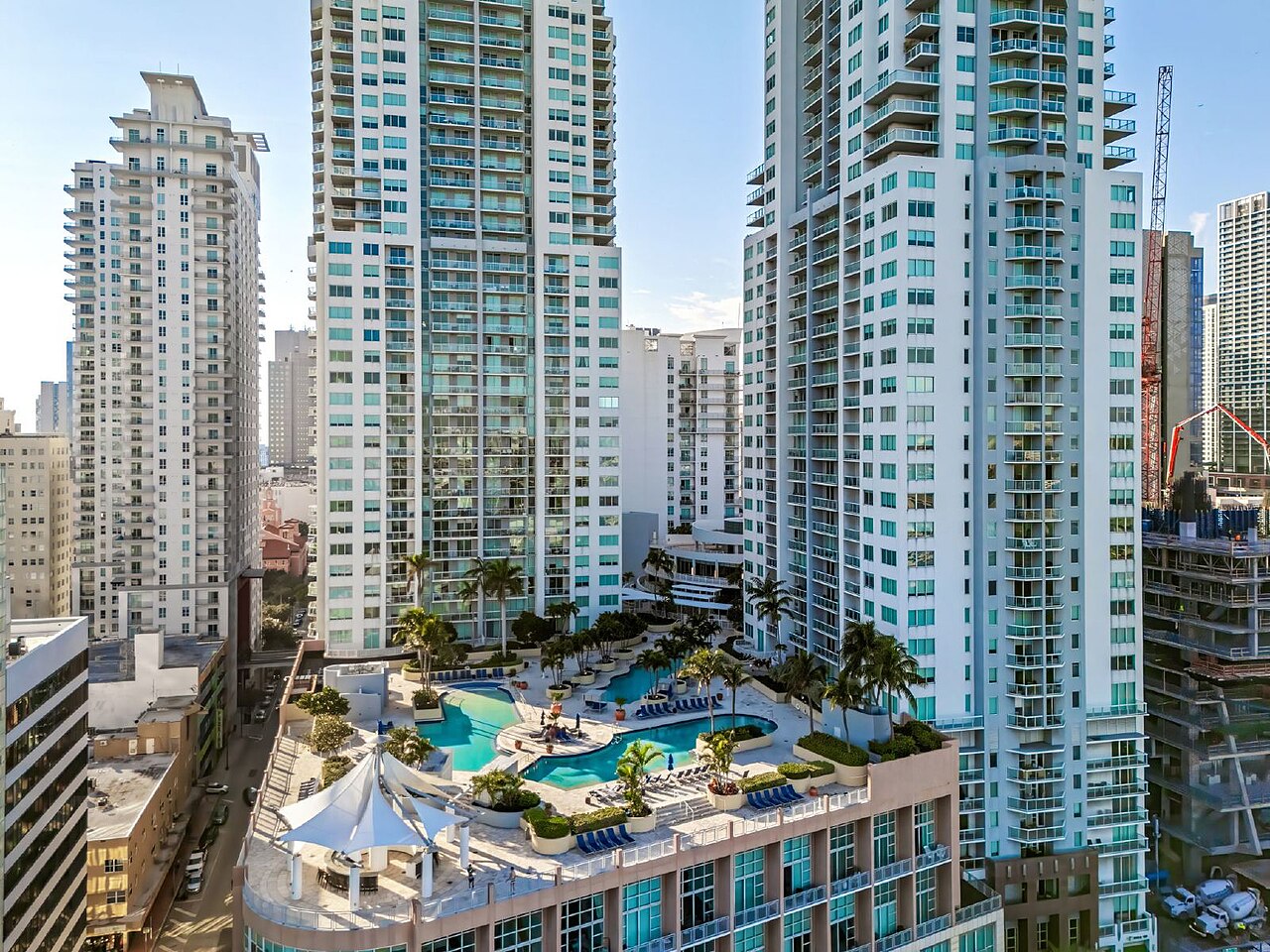
Walk through any newly delivered tower on Brickell Avenue or the adjacent avenues, and you'll encounter advertised rates that can easily push $3,500 for a one-bedroom and upwards of $5,000 for a two-bedroom unit, translating to $4.00-$5.50 per square foot. These are the numbers that generate buzz and drive valuation models. However, the actual cash flow landlords are realizing, and what tenants are truly paying, often sits 5% to 15% lower once concessions are factored in. The tenant, armed with market knowledge, quickly realizes that these sticker prices are negotiable starting points, not final offers.
Savvy tenants, whether migrating from a high-cost coastal city or relocating from Latin America, are increasingly sophisticated. They're not just comparing square footage and amenity packages; they're dissecting lease terms, asking about upfront fees, and leveraging the competitive landscape to their advantage. This dynamic forces leasing agents to move beyond standard scripts and engage in more bespoke deal-making, especially for high-value or long-term commitments.
Dissecting the Concession Playbook
The most prevalent concession strategy remains the 'free rent' period. Typically, this manifests as one or two months free on a 13-month lease, effectively reducing the monthly payment when amortized over the entire term. For instance, a unit advertised at $4,000/month with one month free on a 13-month lease equates to a net effective rent of approximately $3,692/month. Some properties, particularly those with higher vacancy or a slower lease-up, are extending this to two months free on a 14- or 15-month term, pushing net effective rates down even further.
Beyond free rent, other incentives are gaining traction. These include waived amenity fees (often $50-$100/month), reduced or free parking for the first year (a significant saving in Brickell where parking can run $150-$250/month per space), and even moving cost allowances or gift cards for high-demand units. For corporate relocations or bulk leases, landlords are even more flexible, understanding the long-term value of a stable, institutional tenant. The challenge for landlords is to offer these incentives judiciously, balancing occupancy targets with maintaining the perceived value and integrity of their price points.
Supply Dynamics and Unit Economics
Brickell's appeal as a live-work-play hub continues to draw investment and residents, but the pipeline has been robust. Key developments delivered in recent years, alongside new projects like the Residences at 1428 Brickell and the ongoing build-out around Brickell City Centre, continuously refresh and expand the available inventory. This persistent influx creates a tenant-favorable environment, especially for Class A and luxury products. Owners of slightly older, but still high-quality, Class A buildings face pressure to either match concessions or differentiate through unique service offerings to maintain occupancy.
The unit economics for property owners are further complicated by rising operating costs. Insurance premiums, property taxes, and labor costs for maintenance and amenities continue their upward trajectory in South Florida. These expenses eat into net operating income, compelling landlords to offer concessions strategically rather than outright lowering face rates, which would negatively impact their asset valuations and future refinancing capabilities.
The Long-Term View for Brickell Tenants and Investors
For tenants eyeing Brickell, the current environment presents an opportune moment to secure premium residences at significantly discounted net effective rates. Due diligence involves not just touring units but also understanding the concession landscape across multiple properties. For investors and operators, the critical takeaway is the imperative of dynamic pricing and concession management. Relying on outdated pro-formas or ignoring the true net effective rates in the market is a perilous strategy. The focus must be on optimizing the blend of occupancy and net revenue per available unit (RevPAR), acknowledging that the 'sticker price' is rarely the final transaction value in this competitive and evolving market.